
The Conference for Undergraduate Health Research (CUHR) 2026
Canada’s first Health-Focused undergraduate research conference.
CUHR 2026 Conference Theme: From Concept to Care: Driving Progress in Health Research
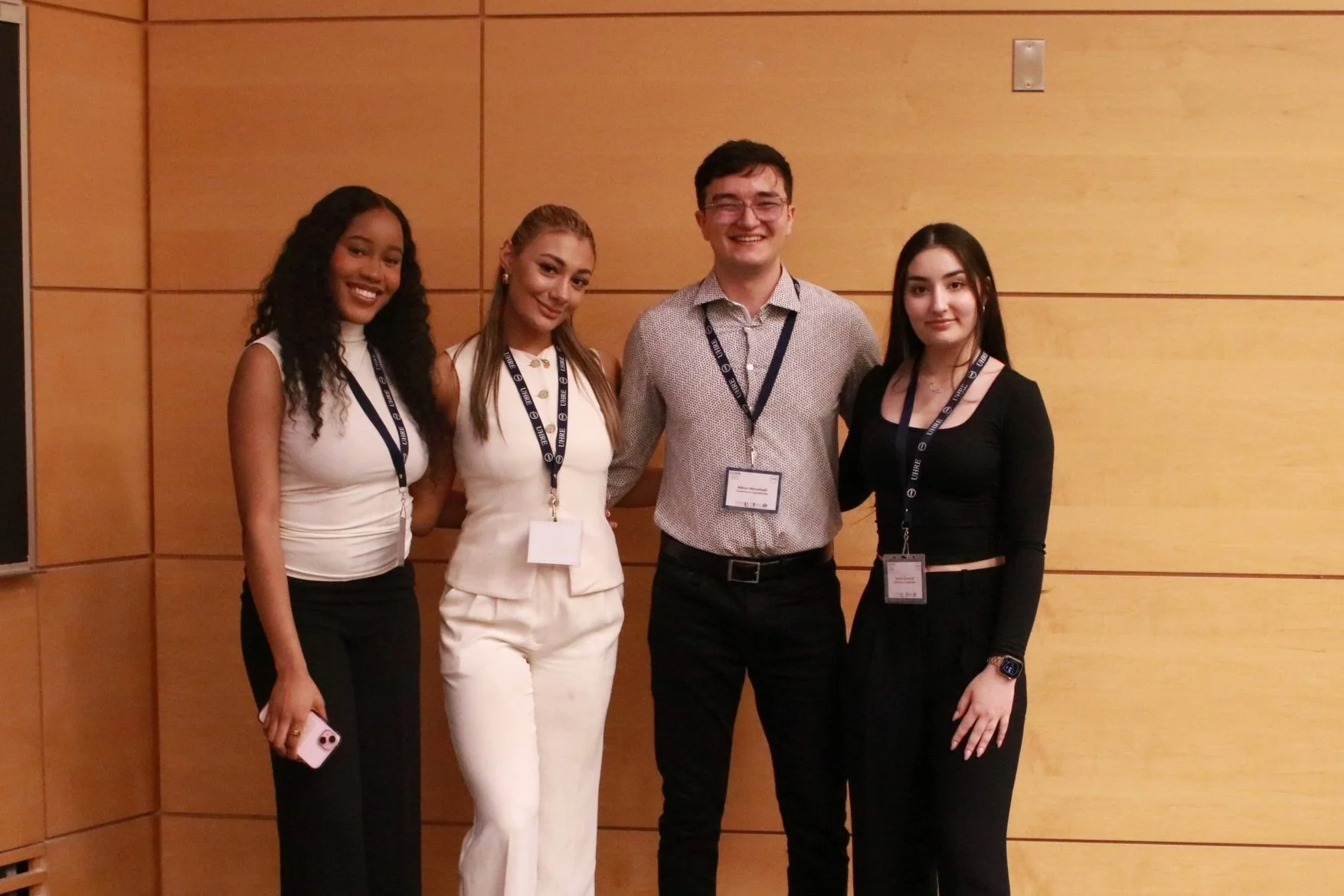
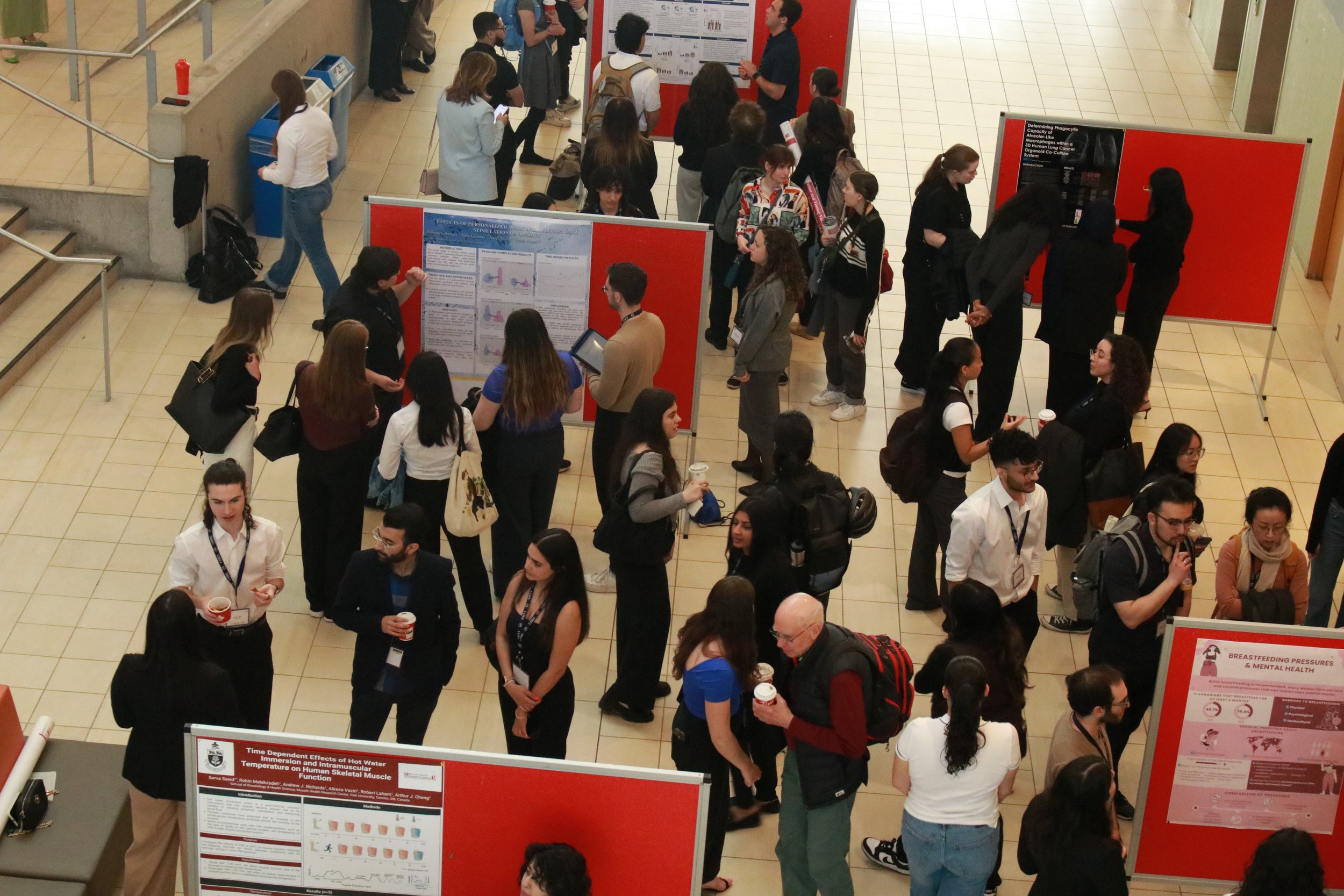
On May 8, 2026, UHRE held a historic fifth annual Conference for Undergraduate Health Research (CUHR), with over 180 presenters from 25 institutions spanning six continents.
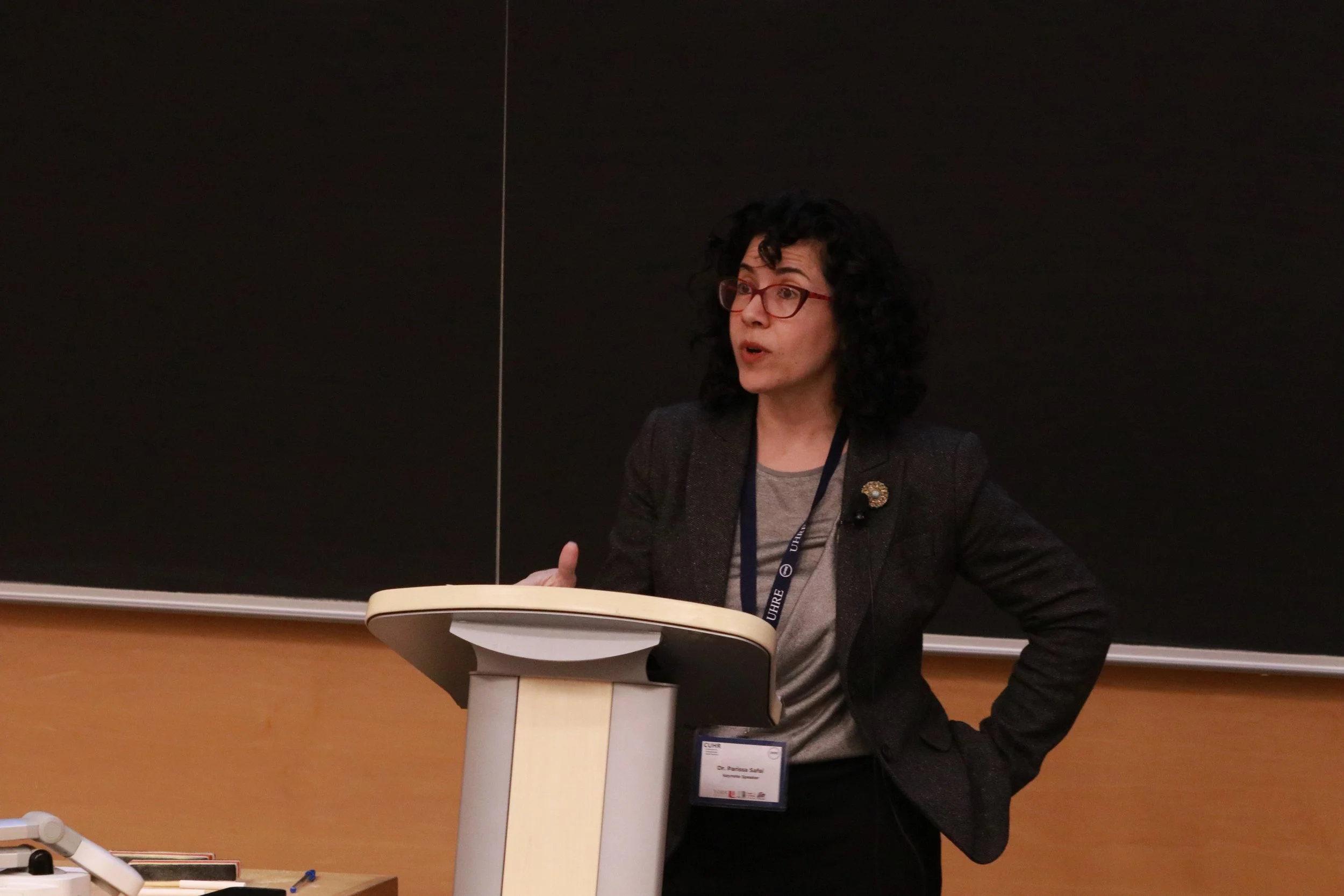
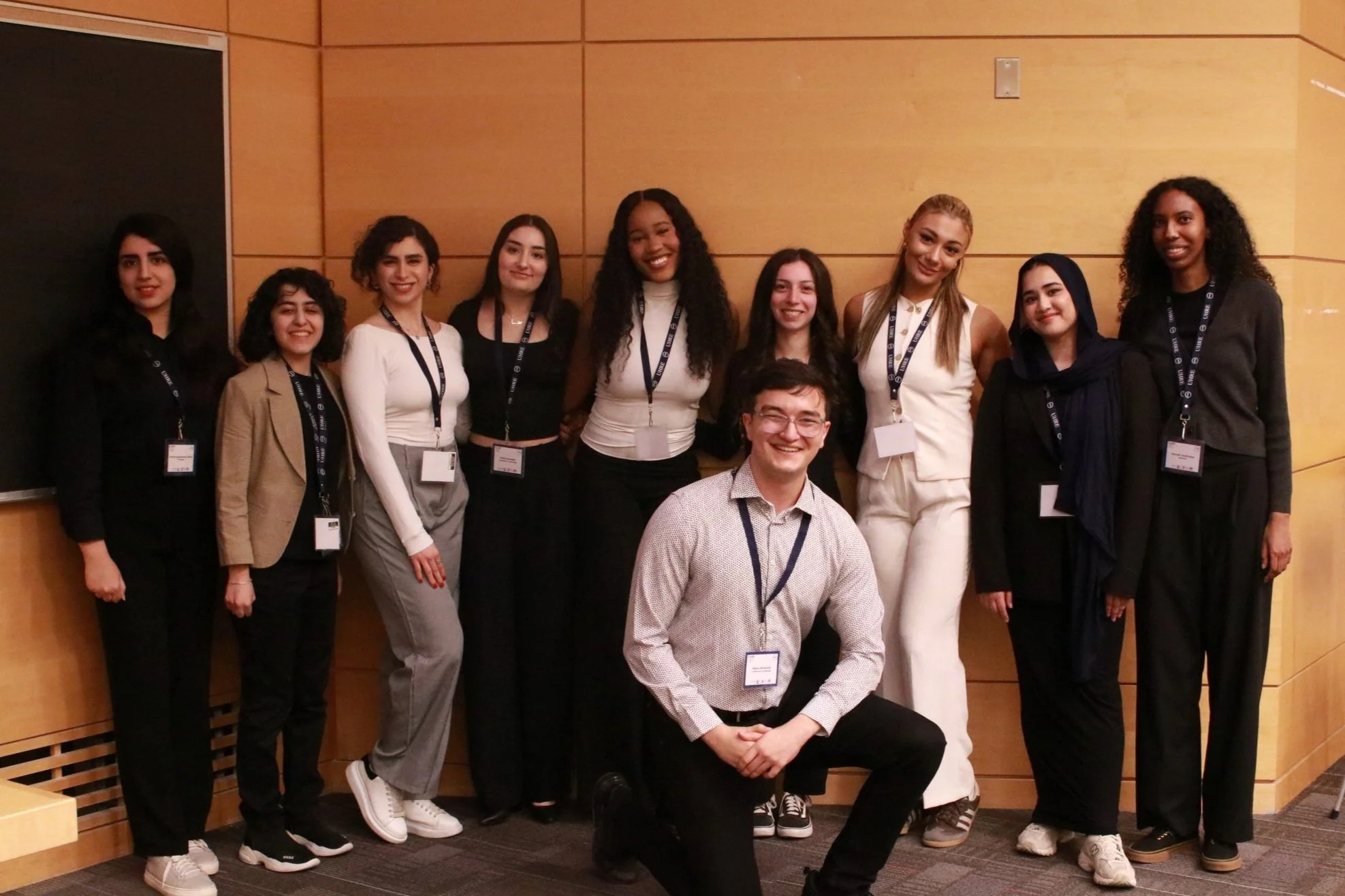
This year's Conference for Undergraduate Health Research was an inspiring celebration of academic exploration and innovation. The vibrant event brought together brilliant minds from across the globe, offering a dynamic platform for undergraduate students to showcase their pioneering research.
The atmosphere buzzed with energy as participants from a wide range of disciplines presented their work, sparking thought-provoking discussions and nurturing a spirit of collaborative discovery. The conference served as a hub of intellectual exchange, where students shared insights, challenged ideas, and built meaningful connections that transcended borders.
Highlighting the impressive scope and depth of undergraduate research, the event proved that creativity and curiosity know no bounds. From cutting-edge scientific advances to socially engaged projects, each presentation reflected the passion and drive of the next generation of innovators and scholars. UHRE remains committed to championing undergraduate research and providing students with the opportunities and support they need to make their mark on the academic world.
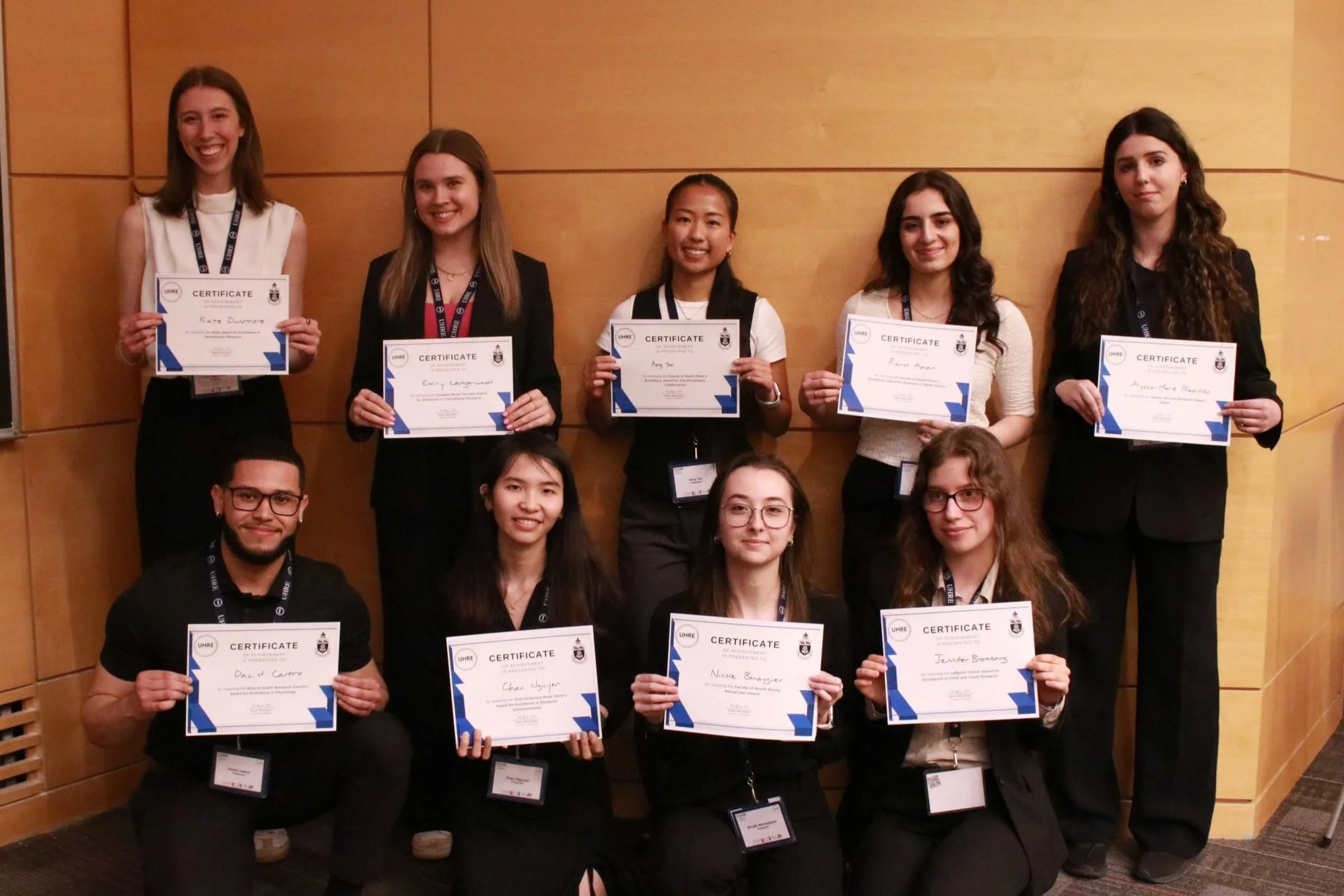
Conference Awards
-
Valued at $500, and will be awarded to a CUHR presenter whose research and presentation are exceptional and address issues/topics related to health equity.
The winner of the Faculty of Health Dean’s Excellence Award for Research in Health was Ivan Huynh
Presenter: Ivan Huynh
Co-Authors: Ivan Huynh, Christine Rehaluk, Julia Calovini, Kayla Christou, Khosrow Adeli*
Institution: McMaster University
Title: CALIPER (Canadian Laboratory Initiative on Pediatric Reference Intervals): A freely accessible global database of pediatric reference standards transforming laboratory decision- making and clinical care for children worldwide
Abstract: The treatment and management of pediatric diseases present unique challenges due to the significant physiological and developmental differences between children and adults. Historically, medical institutions relied on adult or outdated reference standards (i.e. intervals)– healthy value ranges used for test interpretation–when assessing pediatric blood tests, often leading to inaccurate assessments and diagnoses. To address this critical gap, the Canadian Laboratory Initiative on Pediatric Reference Intervals (CALIPER) was launched in 2008 at the Hospital of Sick Children (SickKids) to establish a comprehensive database of reference intervals for blood test results in children and adolescents. To date, over 14 000 healthy children, ranging from birth to 18 years of age, from communities across Ontario have generously donated small blood samples. These samples were analyzed for various biomarkers associated with health and disease and used to create age- and sex-specific pediatric reference intervals. The resulting data has been compiled into a freely accessible web-based and mobile platform (www.caliperdatabase.org), serving healthcare professionals, laboratories and general users worldwide. After registering a free account, users gain access to pediatric reference intervals across multiple platforms, including Abbott, Beckman Coulter, Ortho, Roche, Siemens and Mindray analytical systems used for diagnostic testing. Users can tailor their queries by selecting specific laboratory tests, measurement units, and instruments. The database then displays age- and sex-partitioned reference interval tables and accompanying descriptive graphs, allowing for flexible and intuitive result interpretation. Today, CALIPER supports clinicians and laboratorians in over 130 countries, enhancing the accuracy of pediatric blood test interpretation and contributing to improved clinical decision-making. Moving forward, CALIPER aims to expand participant recruitment, analyze additional biomarkers of health and disease, extend these reference intervals across a broader range of laboratory instruments, and continue advancing the science of reference intervals to support pediatric healthcare on a global scale.
-
Valued at $500, and will be awarded to a CUHR presenter whose research and presentation are exceptional and involve collaborations between at least two different researchers and/or institutions/organizations from different disciplines.
The winner of the Faculty of Health Dean’s Excellence Award for Interdisciplinary Collaborations was Kamyar Saeedabadi.
Presenter: Kamyar Saeedabadi
Co-Authors: Daniel Dabir, Sada Shiva Shankar Ramini*
Institution: Seneca Polytechnic
Title: Artificial Intelligence Guided Tumor Detection, Segmentation, and Robotic Radiation Targeting for Precision Treatment
Abstract: Accurate tumour localization and precise treatment delivery remain major challenges in cancer care, particularly because diagnostic image analysis and therapeutic intervention are often performed as separate, manually coordinated stages. This project addresses the question of how artificial intelligence-based tumour detection and segmentation can be integrated with a robotic arm system to create a unified, automated pipeline for targeted radiation treatment. Previous work has demonstrated the value of deep learning in medical image analysis and the precision of robotic systems in controlled interventions. Still, it has largely failed to connect these components into a single end to end framework that translates tumour characterization directly into treatment targeting.
To address this gap, this research proposes a novel interdisciplinary platform that combines medical imaging analysis, artificial intelligence, and robotic actuation for precision oncology applications. The system will use deep learning models to process imaging data, identify tumour presence, and generate detailed segmentation masks defining tumour boundaries, after which these outputs will be converted into spatial coordinates and motion commands for a robotic arm carrying a focused radiation delivery mechanism. As an early-stage proof of concept, the system will be evaluated through medical image simulation, coordinate mapping validation, and bench- top robotic targeting tests to assess segmentation accuracy, localization accuracy, targeting precision, repeatability, and end to end workflow feasibility.
By linking diagnosis, localization, and treatment guidance into one automated system, this work has the potential to reduce workflow fragmentation, improve targeting consistency, and demonstrate how interdisciplinary collaboration across health research, artificial intelligence, and robotics can move cancer treatment technologies closer to clinically relevant precision care.
-
Valued at $350, and supported by the founding dean of the Faculty of Health at York University, Dr. Harvey Skinner, the Harvey Skinner Research Impact Award is awarded to the student whose work best exemplifies the theme “Agents of Change”. Students who have used their research as an inspiration to create initiatives or contribute to their community are best eligible for this award. This award is open to all students, and we give presenters the opportunity to share how their work has had a positive impact!
The winner of the Harvey Skinner Research Impact Award was Alireza Vaziri.
Presenter: Alireza Vaziri
Co-Authors: Alireza Vaziri, Rohin Malekzadeh, Sophie Portnoy, Andrew J. Richards, Robert Laham, Charles L. Rice, Michael T. Paris, Arthur J. Cheng*
Institution: York University
Title: Investigating task-dependent differences in voluntary activation between voluntary and electrically evoked fatigue in the quadriceps and adductor pollicis
Abstract: Whether central fatigue, reflected by reductions in voluntary activation (VA), is mainly driven by metabolite-sensitive feedback from group III/IV afferents or by descending motor drive mechanisms remains unresolved. While voluntary exercise studies strongly implicate group III/IV afferents, recent work employing electrically induced fatigue to isolate afferent contributions while bypassing voluntary drive has surprisingly undermined their role in VA failure. However, such comparisons between voluntary and electrically evoked contractions are limited, and whether central fatigue manifests differently across muscle groups remains unexplored. This randomized crossover study aims to 1) compare VA between voluntary (VOL) and electrically evoked (EVO) fatiguing tasks under matched peripheral fatigue using post- exercise circulatory occlusion, and 2) investigate whether this profile of VA failure differs between the knee extensors and adductor pollicis. It is hypothesized that voluntary contractions would produce greater VA reductions than electrically evoked contractions, and that electrically evoked contractions would induce VA failure in the knee extensors but not the adductor pollicis. Participants will complete VOL and EVO conditions across 5–6 visits involving left leg knee extensors and left hand adductor pollicis. Each session begins with a baseline neuromuscular assessment. Participants perform either voluntary or electrically evoked isometric contractions at 15Hz, both targeting 35% MVC torque for 30 sec, repeated until a 40% decline in potentiated doublet torque is achieved, indicating matched peripheral fatigue. Subsequently, post-exercise circulatory occlusion is applied for 1.5 mins to maintain metabosensitive muscle feedback and assess VA. Our preliminary findings reveal significant VA failure following EVO contractions in both muscle groups, with VOL demonstrating greater VA reductions than EVO. These results suggest group III/IV afferent contribution to VA failure is intensity-dependent, challenging the notion that descending motor drive mechanisms alone induce central fatigue and advancing our understanding of the fundamental mechanisms underlying neuromuscular fatigue.
-
Based in the Faculty of Health at York University, the Muscle Health Research Centre (MHRC) provides a centralized and focused research emphasis on the importance of skeletal muscle to the overall health and well-being of Canadians. The MHRC provides an excellent training environment for undergraduate and graduate students including opportunities for collaboration between diverse laboratories and many networking activities.
Valued at $250, the Muscle Health Research Centre's Award for Excellence in Physiology is awarded to a CUHR presenter whose research pushes the boundaries of basic physiological science or advances the translation of physiological research findings into practice.
The winner of the Muscle Health Research Centre's Award for Excellence in Physiology was Kimberley Cheuk-Yan Ng.
Presenter: Kimberley Cheuk-Yan Ng
Co-Authors: Sonia Encinas-Leal, Andrea Jurisicova*
Institution: University of Toronto
Title: Characterizing Maternal Stress-Induced Mitochondrial Phenotypes in Oocytes: Investigating Glucocorticoid Signalling Mechanisms
Abstract: Chronic stress is increasingly recognised as a significant factor affecting female reproductive function and has been associated with reduced fertility and impaired oocyte quality. While glucocorticoids are key mediators of the stress response, their direct impact on oocyte function remains poorly understood, particularly with respect to mitochondrial regulation during oocyte maturation. Given that mitochondria are essential for ATP production and redox balance required to support meiotic progression and developmental competence, they represent a critical target through which stress may influence oocyte quality. To address this, we established an induced stress model to investigate the effects of stress exposure on mitochondrial function in oocytes. In parallel we aimed to characterise glucocorticoid signalling within oocytes, specifically examining its potential localization to oocyte mitochondria and its contribution to stress-induced mitochondrial phenotypes. Our findings demonstrate that stress exposure resulted in significant changes to mitochondrial function. Stressed oocytes exhibited increased mitochondrial membrane potential and elevated ATP levels compared to controls. This was accompanied by a reduction in decreased mitochondrial superoxide production and lower levels of lipid peroxidation. While these findings indicate altered mitochondrial activity, there was interestingly no strong evidence of increased oxidative stress. Rather than inducing classical mitochondrial dysfunction characterised by energy deficiency and oxidative damage, our stress model alters mitochondrial activity that may compromise oocyte quality through metabolic dysregulation. After confirming the presence of glucocorticoid receptors on oocytes, we further observed colocalization of these receptors on a subset of mitochondria, indicating that oocyte mitochondria may be direct targets of glucocorticoid-mediated stress signalling. This study provides new insight into how stress and glucocorticoid signalling may impact female fertility and offers a foundation for further investigation into mitochondrial regulation in oocyte competence and reproductive outcomes.
-
Valued at $250, this award is founded by Program Coordinator Nikan Movahedi and the CUHR 2026 Organizing Committee, and presented to a CUHR presenter who demonstrates exceptional research aptitude and outstanding scientific communication skills.
The winner of the Program Coordinator’s Award for Research Excellence was Libabol Benjamin Bapaak.
Presenter: Libabol Benjamin Bapaak
Co-Authors: Mohammed Sherifatu, Osran Amanfo Acquah, Joyce Der*
Institution: University of Health and Allied Sciences, Ghana
Title: Knowledge, Attitude, and Practices of Health Workers in Diagnosing Female Genital Schistosomiasis in the Volta Region of Ghana.
Abstract:
Background: Female Genital Schistosomiasis (FGS), caused by Schistosoma haematobium, is a neglected reproductive health condition affecting millions of women and girls in sub-Saharan Africa. In Ghana’s Volta Region, FGS remains substantially underdiagnosed due to limited health worker awareness, inadequate training, cultural sensitivities, and poor diagnostic capacity. Misdiagnosis contributes to serious reproductive health consequences, including infertility, ectopic pregnancy, and increased vulnerability to HIV.
Objective: To assess the knowledge, attitudes, and practices (KAP) of healthcare workers regarding the diagnosis of FGS in selected endemic districts of the Volta Region.
Methods: A cross-sectional study was conducted among healthcare workers selected through multistage sampling from health facilities in three schistosomiasis-endemic districts along the Volta Lake. Data were collected through face-to-face interviews using semi-structured questionnaires administered via the KoboCollect platform. Descriptive statistics and logistic regression analyses were performed using STATA version 17, with statistical significance set at p < 0.05.
Results: A total of 259 healthcare workers participated; 69.9% were female, with a mean age of 32.0 ± 5.3 years. Overall, 70.8% demonstrated good knowledge of FGS; however, 56.0% were unaware of any diagnostic method. While 84.3% exhibited positive attitudes, only 21.5% demonstrated good diagnostic practices. Unavailability of praziquantel was associated with lower knowledge (AOR = 0.27; 95% CI: 0.10–0.71; p = 0.008). Physician Assistants were less likely to demonstrate positive attitudes (AOR = 0.19; p = 0.010), whereas formal training significantly improved practices (AOR = 18.36; p < 0.001).
Conclusion: Despite good knowledge and positive attitudes, diagnostic awareness and clinical practice remain poor. Limited formal training and inconsistent availability of praziquantel significantly influence performance. Strengthening capacity building, improving supply chains, and integrating FGS screening into primary and reproductive health services are essential to improve early detection and prevent long-term complications in endemic communities.
Photos

Subscribe for Updates
Questions?
Contact us at uhreyorku@gmail.com or through the Contact page on our website for any questions about CUHR, or the Undergraduate Health Research Exploration program.